Battle on the Border is getting close. Be sure to give your race rig the 'once over'.

With the annual stage race Battle on the Border less then 2 weeks away, now is the time to ensure your machine is ready to roll.  There is nothing worse than training for an event only to be let down by your equipment.  Here is a list of the crucial points worth checking.

  1. Tyre Wear - Check your tyres thoroughly for any cuts, or signs of degradation. Degradation usually shows itself by the tread of the tyre starting to crack. 

  2. Chain Wear - A stretched chain means gear slip, you don't want this. If you are running Campagnolo, and have a vernier at your disposal, it is quite easy to check your chain for wear. Count out 6 links and measure the length of the chain, if it is over 132.6mm your chain is worn. A new campag chain will measure 132.2mm.  If you do not have a specific chain checker for Shimano and Sram chains, a simple way to check wear is to shift the chain into the big ring on the front and the lowest gear on the back (ie 25 or 28t). When the chain is in this position, attempt to lift the chain off the front chain ring. There should be no give in the chain in this position.  If there is it would suggest that your chain is worn out. (Again, if you run Campy, then be sure to have it fixed and race ready before you head to remote race locations as the likelihood of finding spare parts is poor).

  3. Cassette and chain ring wear - If you have a worn chain, you may also have worn out your cassette and chain rings. The teeth on your cassette and chain rings should look slightly squared off on the top, if you notice that they are starting to look like sharks teeth then they are worn out. On the cassette an easy way to do this is look at the middle gears, and compare this to the 11 or 12 tooth cog, typically most people will be riding in the middle of their cassette for the majority of their rides, so these are the cogs that will show wear first.

  4. Cable wear - Deterioration of cables is the unseen destroyer on race day. If you are running a mechanical groupset, a fraying cable can creep up on you and suddenly snap when it is under load. It would be a good idea to completely remove your cables and check for any kinks, or frayed sections. If you have internal cables make sure you pull a sleeve through from the exit point to the entry point near the lever before removing the cables, otherwise you may spend more time than necessary trying to reroute your cables. Also be sure that your cables are not crossed inside the frame. It is amazing how easily this can happen.  It is not always obvious when cabling a bike, but the shifting will turn very bad, very quickly if you accidentally do this. When pulling cables through a frame, make sure to check that they don't pull on each other before tensioning them to the derailleur. 

  5. Brake pad wear - This is an easy one, as most brake pads have wear indicators. Make sure you have enough meat on your brake pads, and of course if you are swapping to carbon wheels chuck in your carbon specific brake pads. 

  6. Bartape - This is purely aesthetic, but getting to the start line with crisp new bar tape always makes me feel warm and fuzzy inside. 

Words by: Joshua Prete
                  Wurkshop Manager

When should I consider Nail Surgery?

This topic is straight from the Podiatry side of The Pedaler, tackling what many people suffer from due to bad luck or bad management.  

One important tip - do not look at google images.  The techniques, outcomes and interventions are not relevant to today's contemporary techniques.

If you suffer from recalcitrant pain around the nail fold and occasional infections, then the possibility of having a permanent solution should be considered.  Unfortunately, many suffer from a prolonged and extensive infection before seeking assistance due to the ironic concern of experiencing a painful solution.

Typically, surgery for a persistent ingrown nail is quite simple and relatively pain free.  The anaesthetic block around the digit is the only uncomfortable component and when good technique is applied, the injection is usually quite tolerable. 

The procedure usually takes around 15-20 minutes in total with minimal management required post procedure.

Once emphatic anaesthesia is achieved, the removal of a portion of the problematic nail and then subsequent chemical cauterization of the nail bed can be undertaken with no discomfort at all.  The procedure usually takes around 15-20 minutes in total with minimal management required post procedure.  We usually will apply the first dressing then let you loose with your own wound management.  

Common myths surrounding the procedure 

1.  I'll loose my entire nail  

Not true.  In many cases the post procedure nail looks almost normal.  If more extensive revision is required, your Podiatrist will discuss this with you.

2. It will hurt.

Not true.  Once anaesthesia is achieved, the procedure is pain free.  Even the post nerve block sensation is quite tolerable with minimal pain management required.

3.  It will grow back.

Not true.  Good technique and chemical cauterizing ensures no regrowth.

4.  I need to go to hospital to have it done.

Not true.  We manage nail surgery at our rooms in a comfortable, time and cost effective manner.


So if you suffering from this scourge, give us a call and we will run through the process with you.  We have been operating on clients for 16 years from the ages of 8 to 80.  Don't panic, it can be fixed, once and for all.

How to make foam rolling count - David Gruhl

There is no doubt that an incredibly effective way to improve musculoskeletal health is myofascial release or as it is more commonly known, foam rolling.  It may generate a number of changes including; reducing pain, improving flexibility and consequently increasing performance. It is easy to understand why it is a common recommendation from many health practitioners.


One of the underlying reasons why foam rolling is often avoided is because it is very painful to do. This is true.  Myofascial release can be very uncomfortable.  So do we just put on our pain face, grit our teeth and get on with the job?  Nope.  And this is why you shouldn't.

So do we just put on our pain face, grit our teeth and get on with the job?

If you are doing myofascial release and you are in significant pain, you will often tense your muscles.  By doing so, you are bracing against the pain and making the exercise pointless.  When there is excessive pain we lose control of our breathing and begin to pant.  We start sweating, we wince, moan and tense our muscles to brace against the pain. This is stimulating of our sympathetic nervous system known as our fight or flight response.  Once triggered, it is difficult to relax when so much adrenaline is pumping around your body.  

The correct amount of pressure is uncomfortable but tolerable. The goal should be to increase the pressure as you progress through the exercise.   You should always be able to take deep breaths and relax onto the ball or foam roller.

The correct amount of pressure is uncomfortable but tolerable.

The role of myofascial release is to improve our soft tissue (muscles) movement. This occurs by de-activating the trigger points (knots) in muscles and by improving the ability of our muscles slide and glide past each other.

I have an array of different tools that I use for my own personal myofascial release therapy including; cricket balls, soft balls, golf balls, Alpha balls and soccer balls.  On any given day I will be able to tolerate a different level of intensity. Your muscles will be able to tolerate different levels of pressure depending your current training load, hydration, frequency of myofascial release, and even your emotional state and stress levels.

You can purchase some of these tools online from our shop here.

Drop in today and have a chat about how to make your personal conditioning regime effective.

David Gruhl

B.Hth Sc (Pod), Hons

Giro Time brings an unexpected Pioneer Power Meter Bonus!!

Purchase any 910H2 Pioneer Power meter option from us during the Giro and you get the head unit computer for free!.  That's $389 of Pro level Computer yours for nothing.  This will run till stock runs out.  When Pioneer last offered a similar promotion, they sold out pretty quick.

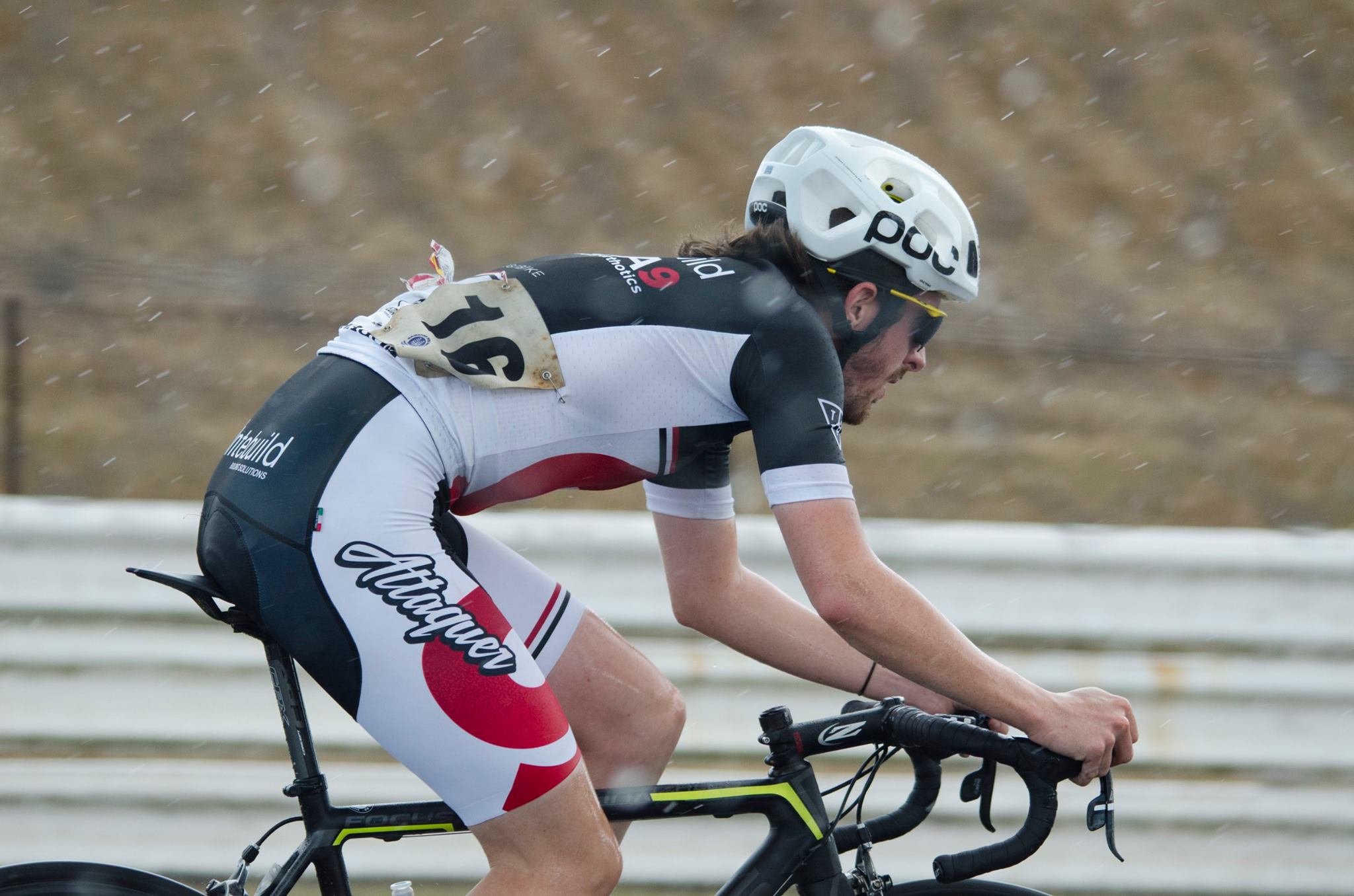
This is your chance to get onto the Power Meters used and tested by our Cobra9 Intebuild Race Team.  Get around it.

The Pedaler presents - Cobra9 Intebuild NRS Team for Grafton to Inverell 2016

The Pedaler is proud to present the 2016 Cobra9 Intebuild Racing team for Grafton to Inverell. The lads will head down Friday morning to take on the nations best domestic riders in a arguably Australia's toughest one day classic.  With a few well noted hiccups to the NRS schedule, Grafton will be the first race to kick off the NRS season for 2016.  

Keep an eye on the Cobra9 Intebuild Racing Page and Instagram feed for live updates on the day including plenty of candid content.

NRS Team

Mitch Neumann (HPRW)

Joshua Prete (Tablelands CC)

Adam White (Uni)

Dugald Macurthar (MBCC)

Nathan White (Cyc'd)

Elliot Kippen (Uni)

Callum O'Sullivan (HPRW)

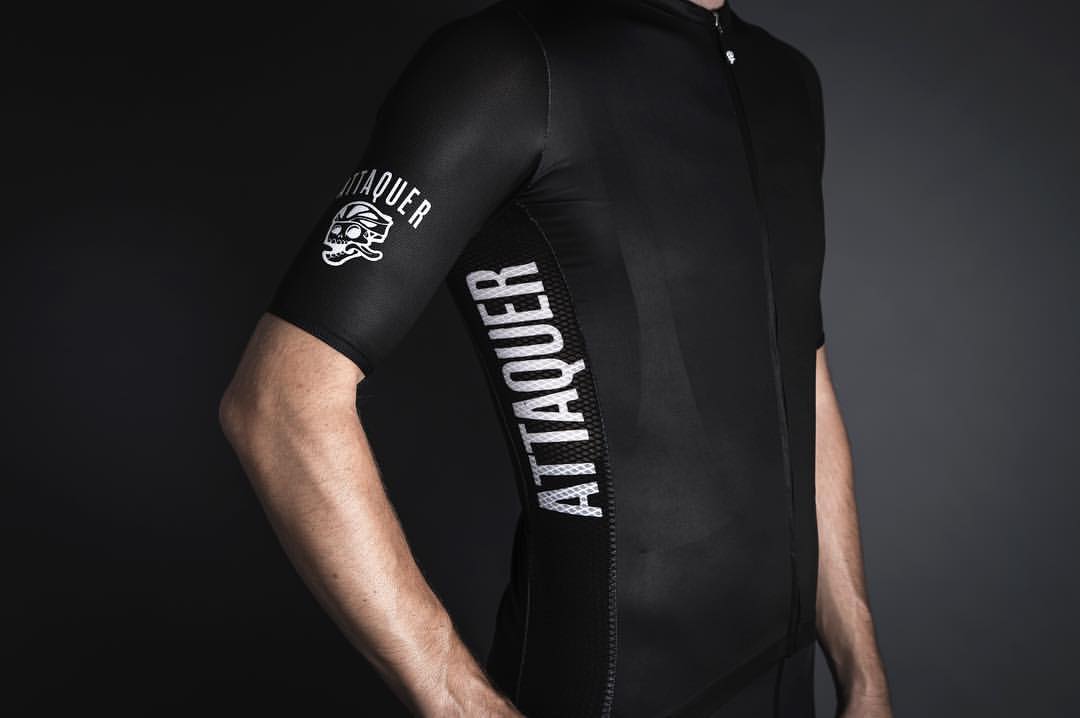
Attaquer Core Launch 2016 - More Photos Emerge - Stock Guarantee

More photos of the new Core range have been released and they look tasty.  We have ordered a shed load of gear, but if we've sold out of your size or style on Friday or Saturday, we'll make it up to you by hooking you up with a free pair of Cobra9 Socks when your kit arrives in store to make it right.  It's The Pedaler's way of paying it forward.  Get stuck in and enjoy.  

Bunch ride departs 6am Friday.  Easy hour guaranteed.  Brews from Odyssey Project.

Brush Stroke Core 

Race Day Black

Core Chilli